Buzzy Personal Injection Pain Relief Device: A Practical Look at Vibration and Ice for Needle Fear
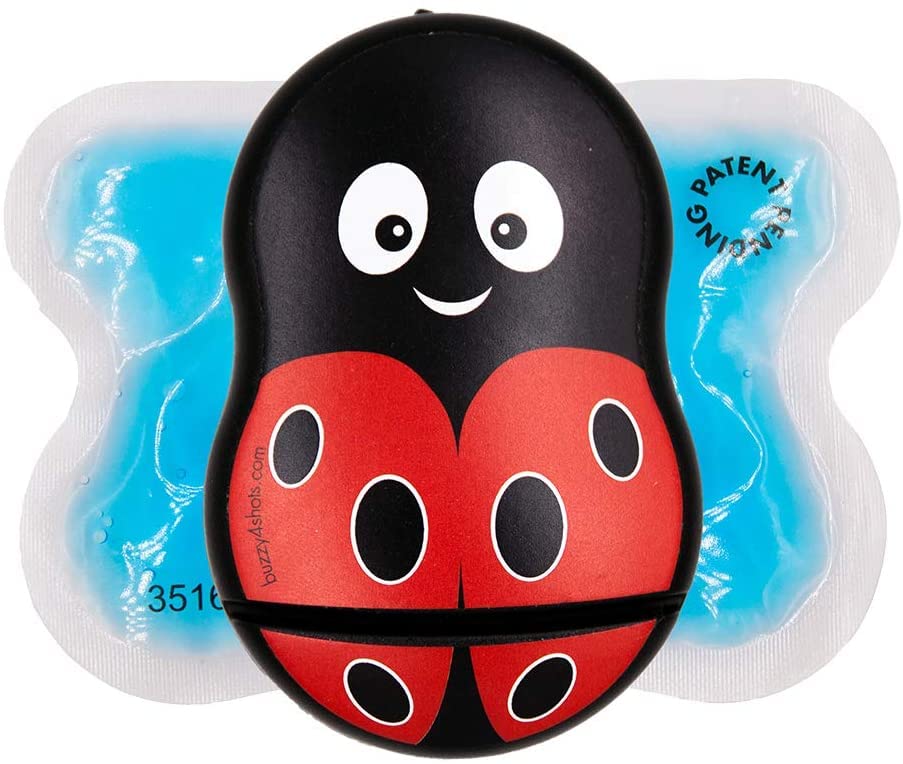
The Buzzy Personal, also marketed as LadyBuzz, is a small handheld device designed to reduce pain and anxiety during injections. It combines vibration with a removable ice pack to create a sensation that, in theory, distracts the brain from the needle stick. After spending a few weeks using it for finger pricks and observing its use during a vaccine appointment, I have a clearer picture of what it does well and where it falls short.
At its core, the device is straightforward. You attach the frozen insert to the top, press the vibrating body against the injection site for about 30 to 60 seconds, then keep it near the area while the needle goes in. The idea is that the cold numbs the skin slightly, and the vibration confuses the nerve signals—a concept often called “gate control theory.” It runs on a single AAA battery, which is included, and the vibration intensity is fixed. There is no on-off switch; you twist the base to activate it, which can take a little practice to get used to.
In real-world use, the Buzzy does make a difference for shallow injections like finger pricks for glucose monitoring. The vibration is strong enough to mask the initial pinch, and the cold helps with the dull ache afterward. For vaccines, I found it less transformative but still helpful. The device needs to be positioned very close to the injection site, which can be awkward if you are self-administering a shot in the thigh or abdomen. Having someone else hold it works better, but that is not always possible. The ice pack stays cold for about 10 to 15 minutes out of the freezer, so you need to plan ahead if you have multiple injections.
One limitation is that the Buzzy is not a cure-all for deep or prolonged needle pain. For procedures like blood draws or larger intramuscular injections, the distraction helps, but the sensation of the needle going deeper is still noticeable. It also does nothing for the anxiety that comes before the injection—only the physical sensation during the stick. If you have a strong fear of needles, the device might reduce the immediate discomfort but will not replace counseling or other coping strategies.
Comparing it to numbing creams like lidocaine or EMLA, the Buzzy has different trade-offs. Creams require applying 30 to 60 minutes before the injection and can numb the skin more thoroughly, but they leave a greasy residue and can cause mild skin irritation. The Buzzy works instantly once the ice pack is frozen and leaves no mess, but the effect is more about distraction than true numbness. For children or adults who dislike the feeling of cold, the ice pack might be unpleasant. The device is also small—about the size of a large egg—so it is easy to lose or misplace.
The build quality feels decent for the price, but the plastic casing is not rugged. Dropping it on a hard floor could crack the battery compartment. The ice pack is reusable, but it is a separate piece that needs to be kept in the freezer, which adds a step to the routine. I also noticed that the vibration can be loud enough to draw attention in a quiet clinic room, which might be a minor social concern for some people.
Who is this for? It suits people who have mild to moderate needle anxiety and want a drug-free option. It works well for finger pricks, insulin injections, and some vaccines, especially for children or adults who are needle-shy but not severely phobic. It is less suitable for people with very sensitive skin that reacts to cold, those who need deep intramuscular injections regularly, or anyone looking for complete pain elimination. The device is also not ideal for use in cold environments, as the ice pack can make the skin feel uncomfortably chilly.
Overall, the Buzzy Personal is a practical tool that does what it claims—distraction through vibration and cold—but it is not a miracle solution. It has a narrow window of effectiveness and requires some preparation. If you are tired of numbing creams or want a reusable option, it is worth trying. Just keep expectations realistic: it helps, but it does not erase the experience.