Chainsaw disc for angle grinders: A practical look at the 4.5-inch 13-tooth stump remover and wood carving attachment
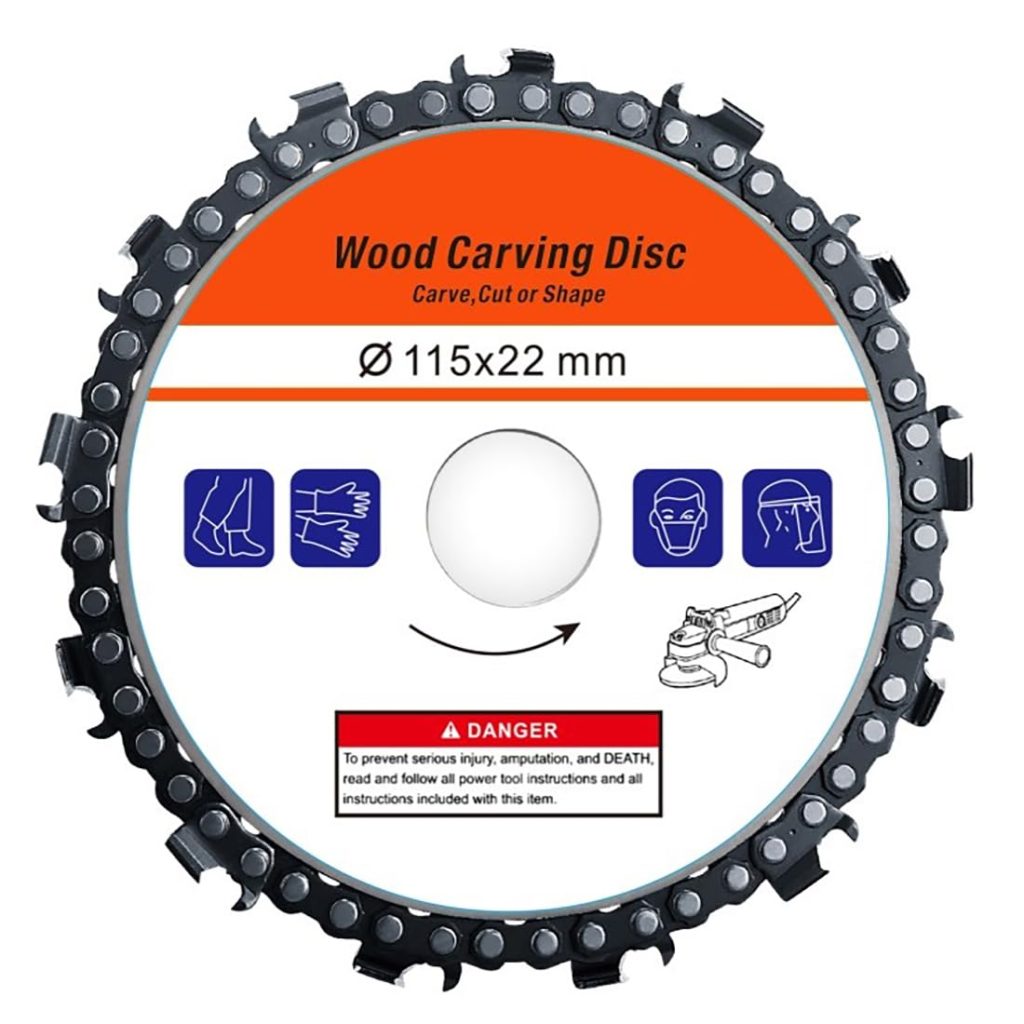
Angle grinders are versatile tools, but they have limits. Attachments like this 4.5-inch chainsaw disc aim to push those limits by turning a standard grinder into a tool for cutting, shaping, and removing wood. Marketed as a stump remover, wood carving disc, and shaping tool, it promises a lot for a single accessory. After testing it on several types of wood and a small stump, here is a realistic breakdown of what this disc does well and where it falls short.
The disc itself is made of steel with a series of teeth—13 in this model—that resemble a small chainsaw chain. It fits grinders with a 5/8-inch arbor (though a 7/8-inch adapter is common for some models, so check your grinder’s specs). The orange coating is likely for corrosion resistance, not performance. Installation is straightforward: remove the standard grinding wheel, attach the disc, and tighten the nut. No additional adapters are needed for most grinders, but the fit can be snug on some brands.
In use, the disc behaves differently than a standard grinding wheel. It removes material aggressively when you apply pressure, but it requires a light touch to avoid kickback. The teeth cut into wood fibers, so it works best on softer woods like pine or poplar. On hardwoods like oak, it still cuts but at a noticeably slower pace, and the grinder motor strains more. For stump removal, it can chew through small stumps (under 6 inches in diameter) if you work from the top down, but it is not a substitute for a dedicated stump grinder. The disc gets hot quickly during prolonged use, and the teeth can dull after a few sessions on dirty or gritty wood.
One major limitation is the lack of depth control. Unlike a chainsaw, which has a bar to guide the cut, this disc requires you to freehand every pass. This makes precise carving difficult—shaping a rounded edge or a concave surface is possible but requires practice and steady hands. For wood carving, a rotary tool with a burr bit or a die grinder with a carbide cutter offers more control. The chainsaw disc is better suited for rough shaping, like removing bulk material from a log or leveling a stump, than for fine detail work.
- Key functional features: 13 hardened steel teeth, 4.5-inch diameter, fits standard angle grinder arbors, designed for cutting and shaping wood.
- Real-world usage: Effective for rough cuts, stump removal from small stumps, and bulk material removal. Not ideal for finish carving or precise work.
- Limitation: Heats up quickly, dulls faster on dirty wood, and requires careful handling to avoid kickback. No depth guide makes consistent cuts challenging.
Compared to a dedicated stump grinder or a chainsaw, this disc is a compromise. A stump grinder is slower but safer and more controlled for large stumps. A chainsaw gives you a guided cut for logs. This disc is best for quick, rough jobs where you already have an angle grinder and do not want to buy another tool. It is also useful for shaping green wood, like carving a bowl or a rough sculpture, but experienced wood carvers will find it too aggressive for fine work.
Safety is a real concern. The disc can bind if you twist it in a cut, and the grinder can kick back violently. Wear gloves, eye protection, and a face shield. The disc throws wood chips and dust, so a dust mask is wise. Do not use it on metal or masonry—it is designed only for wood. The disc is not for beginners; you need experience with angle grinders to use it safely.
Who is this for? It suits DIYers who need to remove a small stump or shape a log quickly without buying a dedicated tool. It also works for occasional wood carvers who want to rough out shapes before using finer tools. Who should skip it? Professional arborists, serious wood carvers, or anyone who values precision over speed. If you need clean cuts or detailed carving, invest in a chainsaw or a rotary carving kit instead.
Overall, this disc is a functional accessory with clear limitations. It does what it claims—cuts and shapes wood—but it is not a miracle tool. It is a trade-off: speed and convenience for control and precision. For the price, it is a reasonable addition to a workshop if you understand its quirks. Just do not expect it to replace a chainsaw or a carving tool. It is a niche attachment that works best in the right hands and the right jobs.