Fascia Massage Tool for Myofascial Release: A Practical Look at Anti-Cellulite and Lymphatic Drainage Use
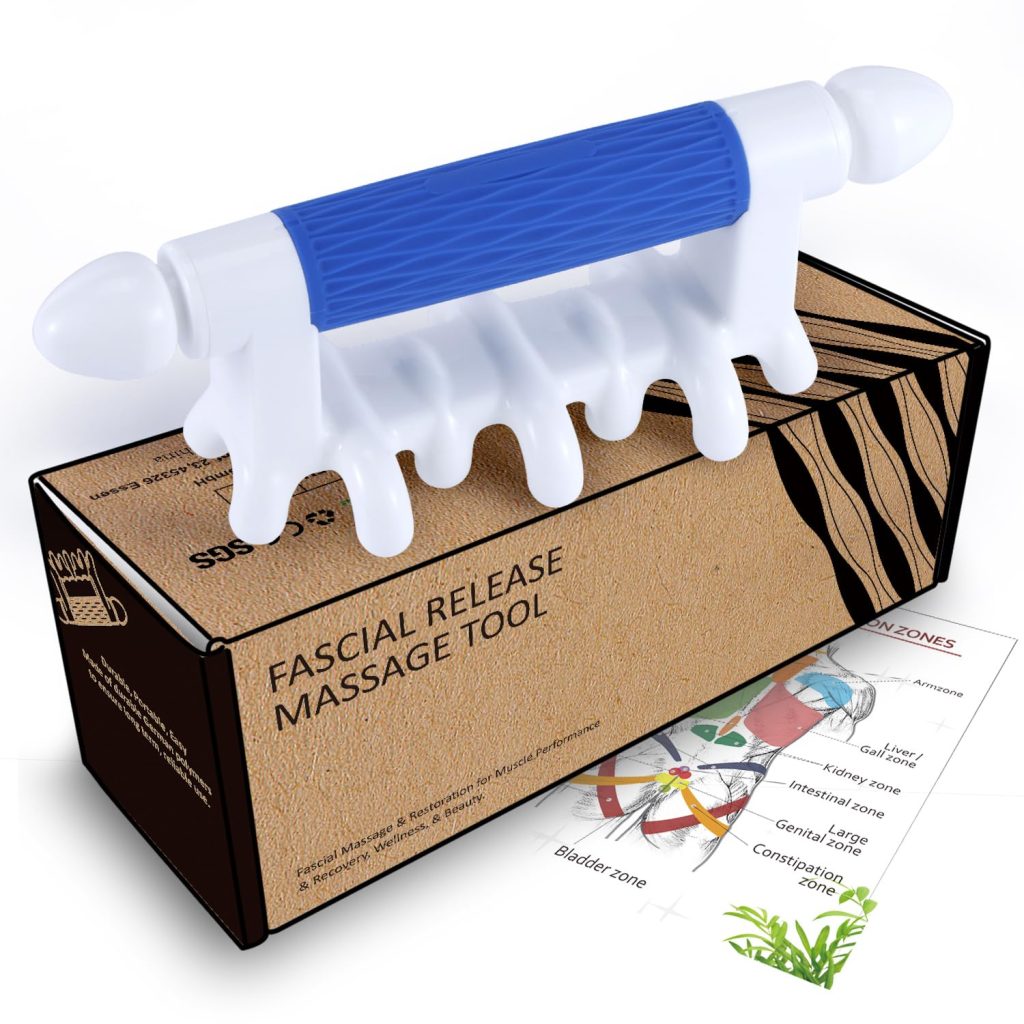
The Fascia Massage Tool, often marketed as a myofascial release blaster, is a handheld device designed for deep tissue work on the neck, shoulders, lower back, psoas, thighs, butt, and full body. In practice, it is used to apply targeted pressure to trigger points and tight fascia, with the goal of reducing muscle tension and improving circulation. Many users also explore it for anti-cellulite and lymphatic drainage purposes, though results vary widely.
From a functional standpoint, the tool features a curved, ergonomic handle that allows you to reach areas like the mid-back or glutes without straining your wrists. The head is made of a firm but slightly pliable plastic, with rounded nubs that glide over skin. It does not vibrate or heat up—it is purely a manual pressure applicator. This simplicity can be a strength for those who want control over intensity, but it also means you have to supply all the force yourself. The tool measures about 12 inches long and weighs roughly half a pound, making it portable enough to toss in a gym bag.
In real-world usage, the tool works best when you apply steady, moderate pressure in slow strokes along muscle fibers. For instance, using it on the calves after a run can release some of that tightness, but it is not a substitute for a professional massage. The pressure you apply is limited by your own arm strength and endurance, so larger muscle groups like the quads or glutes may require more effort than smaller areas like the forearms. The plastic nubs can feel sharp on bony spots, so you need to be mindful of placement—avoid direct contact with joints or the spine.
One notable limitation is the learning curve. Without clear instructions, many users initially press too hard or too lightly, leading to bruising or ineffective sessions. The tool also lacks the versatility of a foam roller or a massage gun. Foam rollers offer broader surface pressure and are easier for back work, while massage guns provide percussive therapy that can penetrate deeper with less physical effort. This manual tool sits somewhere in between: it gives you more precision than a roller but demands more stamina than a powered device.
For those specifically interested in anti-cellulite or lymphatic drainage claims, the evidence is mixed. While the mechanical pressure can temporarily improve skin pliability and fluid movement, consistent long-term results are unlikely without addressing underlying factors like diet, exercise, and hydration. Some users report a mild reduction in the appearance of cellulite after weeks of daily use, but this is not a guaranteed outcome. The tool is better suited for relieving muscle knots and improving range of motion than for cosmetic changes.
- Strengths: Ergonomic handle allows self-treatment of hard-to-reach areas; durable construction; no batteries or charging needed; relatively affordable compared to electric massagers.
- Weaknesses: Requires significant physical effort; can cause bruising if used incorrectly; not effective for all types of muscle tightness; limited utility for lymphatic drainage without proper technique.
Who is this tool for? It is a reasonable choice for active individuals who already have some familiarity with self-myofascial release and want a portable option for travel or quick sessions. It also suits people who prefer manual control over automated devices. However, it is not ideal for those with chronic pain conditions, limited hand strength, or anyone expecting dramatic cellulite reduction. If you are new to fascia work, starting with a foam roller or a massage ball might be more forgiving. For deep, percussive relief, a massage gun would be more effective, albeit pricier.
Overall, the Fascia Massage Tool is a functional but unremarkable addition to the self-care market. It does what it claims—apply pressure to soft tissue—but it is not a magic wand. Its value depends entirely on your willingness to put in the physical work and your expectations. For the price, it is a decent entry-level option, but do not expect it to replace professional therapy or advanced recovery tools.