A Closer Look at the 64GB Bootable USB 3.2 Drive for Windows Installation and System Recovery
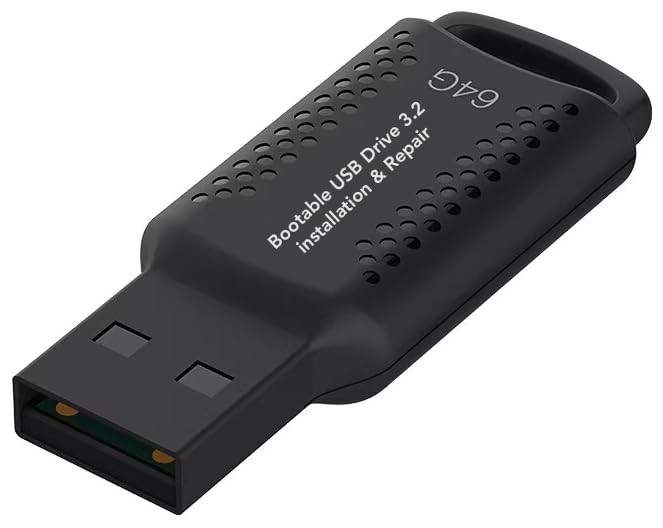
USB drives that claim to handle everything from Windows installation to password recovery and driver loading are a common sight online. This particular 64GB Bootable USB 3.2 drive aims to be a one-stop tool for users dealing with Windows 11, 10, 8.1, and 7, as well as WinPE environments. It also promises to bypass the TPM requirement for Windows 11, include WiFi and LAN drivers, and support both UEFI and Legacy boot modes.
In real-world use, this drive is primarily designed for system builders, IT troubleshooters, and anyone who frequently reinstalls or repairs Windows. The idea is that you plug it in, boot from it, and have a pre-configured environment ready to go. For someone who doesn’t want to manually create a bootable USB from an ISO file or download drivers separately, this can save time. The inclusion of common network drivers is a practical touch, as losing internet connectivity after a fresh install is a frequent headache.
Key Features
- 64GB Storage Capacity: Enough space to hold multiple Windows ISOs, driver packs, and utility tools. This is more than the typical 8GB or 16GB bootable drive, offering flexibility for storing additional files.
- USB 3.2 Interface: Provides faster read and write speeds compared to USB 2.0, which speeds up the booting process and file transfers. Real-world performance will vary depending on the computer’s port and the drive’s controller.
- Pre-Loaded Tools: Includes a password reset utility and WinPE environment, which are useful for recovering access to a locked system or performing disk repairs without a full Windows installation.
- TPM Bypass for Windows 11: Allows installation on systems that don’t meet Microsoft’s hardware requirements, such as older CPUs or motherboards without TPM 2.0. This is a niche but valuable feature for users repurposing older hardware.
- Dual Boot Support: Works with both UEFI (modern systems) and Legacy BIOS (older computers), ensuring compatibility across a wide range of hardware.
Limitations and Trade-offs
While the drive is functional, it has some notable drawbacks. The pre-loaded software may not be updated regularly, meaning the included drivers or password reset tools could become outdated. For example, a newer version of Windows 11 might require a different bypass method or driver. Additionally, the drive’s performance isn’t exceptional—USB 3.2 speeds are advertised, but in practice, it feels closer to a mid-range USB 3.0 drive. File transfers and boot times are acceptable but not blistering.
Another issue is the lack of customization. Since the drive comes pre-configured, you cannot easily add or remove tools without potentially breaking the bootable setup. If you prefer a tailored solution, creating your own bootable USB with tools like Rufus or Ventoy gives you more control. Also, the password reset feature works for basic Windows accounts but may struggle with Microsoft account-linked logins or BitLocker-encrypted drives.
Comparison to Alternatives
Compared to a generic bootable USB you create yourself, this drive offers convenience at the cost of flexibility. A DIY approach using a standard 32GB or 64GB USB stick and free software like Rufus allows you to choose exactly which tools and ISOs to include, and you can update them as needed. However, that process requires technical knowledge and time. For someone who just wants a working solution out of the box, this pre-loaded drive is simpler. It also includes a broader set of drivers than most DIY setups, which typically only have basic network drivers.
Who Is This For?
This drive is best suited for intermediate users who need to install Windows on multiple machines, especially older ones or builds that don’t meet Windows 11 requirements. It’s also handy for IT professionals who want a quick recovery tool without building one from scratch. However, it is not ideal for beginners who might be confused by the pre-loaded menus or for advanced users who prefer a customized, up-to-date toolkit. It also won’t replace a dedicated hardware password reset tool for enterprise environments.
Final Thoughts
This 64GB bootable USB drive is a practical tool for its intended use cases, but it’s not a magical fix-all. The convenience of having a ready-to-use Windows installation and recovery drive is real, but the outdated software potential and limited customization are trade-offs. If you value time over control and are comfortable with its limitations, it’s a reasonable purchase. Just don’t expect it to handle every edge case or to outperform a carefully crafted DIY solution.