Retropia Repurposed Disposable Camera Lens for Sony E-Mount: A Pancake Lens That Emulates Film Look Digitally
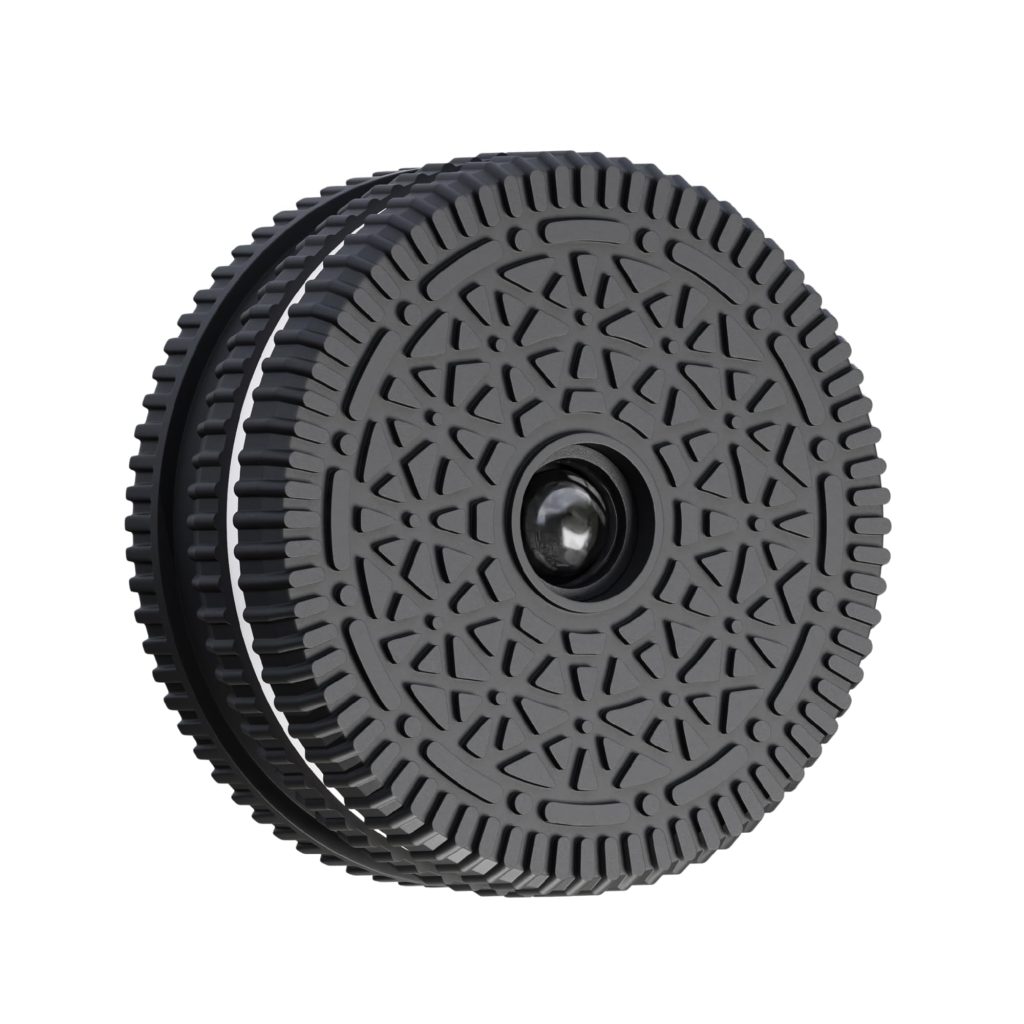
The Retropia Repurposed Disposable Camera Mirrorless Lens is a curious addition to the world of Sony E-mount optics. It’s a compact pancake lens designed to mimic the aesthetic of disposable film cameras, with a fixed 32mm focal length and a fixed f/11 aperture. This isn’t a lens you’d use for sharp, clinical photography; it’s built for a specific, lo-fi look that some might find charming, while others might see as a gimmick.
In real-world use, this lens changes how you approach shooting. The fixed aperture and manual focus mean you’re not adjusting settings on the fly—you set your camera to a mode that works with the lens (often aperture priority or manual) and then compose and shoot. The f/11 aperture forces you to work with plenty of light, so outdoor scenes in daylight are your best bet. Indoors, you’ll likely need to bump up ISO significantly, which adds noise that actually complements the disposable-film vibe. The lens is plastic and lightweight, making it easy to carry in a pocket, but the build feels a bit fragile, like you’re mounting a toy on your camera.
Key functional features include its repurposed design—it’s essentially glass from a disposable camera rehoused in a metal and plastic mount. The 32mm focal length gives a roughly 48mm equivalent on APS-C sensors, which is a standard field of view. The fixed f/11 aperture means everything from near to far is in focus, but you have no control over depth of field. The lens also lacks electronic contacts, so no EXIF data, autofocus, or aperture control from the camera body—you’re relying entirely on the camera’s exposure metering.
- Compact size: The pancake design makes it one of the smallest lenses you can mount on a Sony E-mount camera, ideal for street photography where discretion matters.
- Unique image character: Images have a soft, slightly vignetted look with lower contrast and color shifts that evoke old disposable cameras. It’s not for everyone, but it can be fun for creative projects.
- No electronic communication: This is both a feature and a limitation. It forces you to think about exposure manually, but also means no auto modes or focus assist.
A notable limitation is the lack of sharpness and optical quality compared to even budget modern lenses. At f/11, diffraction can soften images further, and there’s noticeable chromatic aberration in high-contrast scenes. The lens is also not weather-sealed, and the manual focus ring is stiff and imprecise—you’ll often guess focus based on distance scales. If you’re used to crisp, modern digital photos, this lens will likely frustrate you.
Compared to something like a generic 35mm f/2.8 pancake lens, the Retropia sacrifices versatility and image quality for a specific aesthetic. A traditional pancake lens can be stopped down for similar depth of field but also opened up for portraits or low light. The Retropia offers no such flexibility. It’s closer in spirit to lensbaby or toy camera lenses, but even those often have more creative control.
Who is this lens for? It suits photographers who want to experiment with a disposable film look without buying film, or those who enjoy the constraints of fixed settings for creative challenges. It’s also a conversation starter and a way to add a distinct visual style to travel or street shots. However, it is not for anyone needing sharp, clean images, reliable autofocus, or versatility in different lighting conditions. If you’re a beginner looking for a first lens, skip this—it’ll teach you exposure basics but limit your growth. Experienced shooters might find it a fun novelty for a few outings, but it’s unlikely to become a daily driver.