DMSO 99.95% Pure Liquid Review: A Strong Solvent for Targeted Topical Use
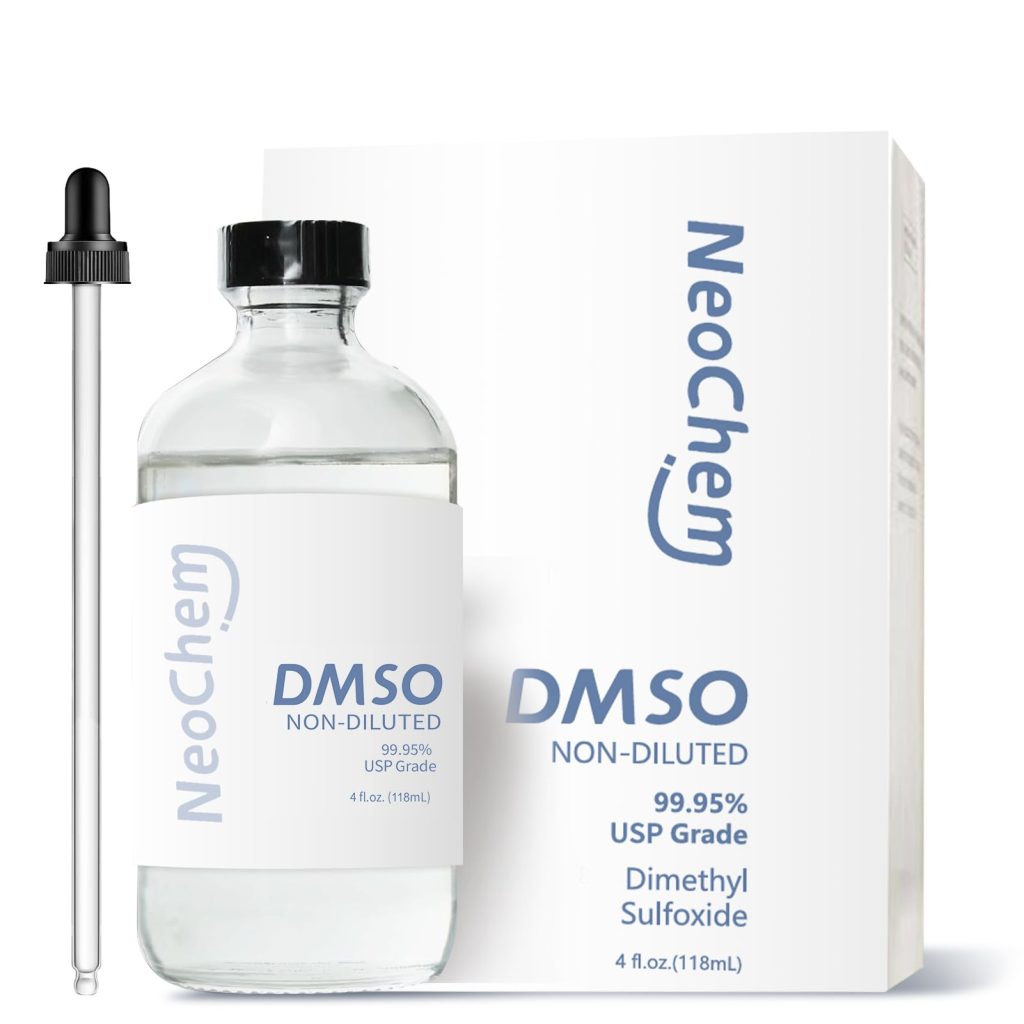
Dimethyl Sulfoxide, or DMSO, has been around for decades, often discussed in alternative health circles and industrial settings. This particular product is a 4-ounce bottle of 99.95% pure, undiluted liquid, marketed as non-diluted and virtually odorless. It comes in a premium glass bottle with a dropper, which is a practical choice given DMSO’s ability to dissolve many plastics. The purity level here is high, which matters because impurities can sometimes cause skin reactions or leave residues.
Real-world usage context: People typically use DMSO topically as a carrier solvent. It is known for its ability to penetrate skin quickly, carrying other substances with it. Common applications include mixing with certain compounds (like magnesium chloride or vitamin C) for joint or muscle discomfort, or as a solvent for cleaning and preservation in labs. The key is that DMSO is not meant to be ingested or used on broken skin without careful consideration. Users often apply it with a cotton ball or dropper directly to the area of interest, letting it absorb for a few minutes. The odorless claim holds up better than some older DMSO products, which often had a garlic-like smell. This version is much more neutral, though some users still report a faint taste in the mouth after application—a known effect of DMSO entering the bloodstream.
Key functional features: The 99.95% purity is the headline here. Lower grades (like 99% or industrial) may contain dimethyl sulfone or other byproducts that can cause irritation. This product is also undiluted, meaning you control the concentration. If you need a lower strength, you can mix it with distilled water or aloe vera gel. The glass bottle is a plus because DMSO can degrade plastic over time, leaching chemicals. The dropper allows for controlled dosing, which is important since a little goes a long way—a few drops are usually enough for a palm-sized area.
Limitations and trade-offs: Despite the high purity, DMSO is not regulated by the FDA for medical use, so claims about healing or pain relief are not backed by official approval. Users should be cautious about what they mix with it, as DMSO can carry contaminants or medications through the skin unpredictably. The absorption rate can also cause a mild warming or tingling sensation, which some find uncomfortable. Additionally, the bottle, while premium, is only 4 ounces. For frequent users, this may run out quickly, and the price per ounce is higher than bulk industrial grades. The dropper can also be tricky to clean, as DMSO residue can crystallize if left exposed to air.
Comparison to similar products: Compared to generic DMSO sold in plastic bottles (often labeled as 99% or 99.9% pure), this one feels more refined. The lack of odor is a real improvement over older brands that smell like garlic or rotten eggs. However, pharmaceutical-grade glycerin or propylene glycol are alternatives for topical applications, though they do not penetrate skin as rapidly. DMSO is more aggressive in its absorption, which is both a strength and a risk. For someone who just needs a mild solvent for mixing essential oils, glycerin might be a safer, less reactive choice.
Who it is and is not suitable for: This product is suitable for experienced users who understand DMSO’s properties and risks—people using it for specific, researched applications like topical pain management or as a lab solvent. It is not suitable for beginners without guidance, for use on open wounds or near eyes, or for anyone expecting a regulated medical treatment. Pregnant or nursing individuals should avoid it due to lack of safety data. It also is not ideal for those who want a ready-to-use diluted solution, as this requires mixing and careful handling.
Overall, this is a solid, high-purity DMSO that delivers on its promise of being odorless and undiluted. It works as expected for those who know what they are doing, but it demands respect and caution. If you are new to DMSO, start with small amounts and read up on proper usage and contraindications.